
90 Years of Weejuns: The Story Behind an American Original
What makes something an icon?
Is it something that suddenly appears everywhere, seemingly overnight? Or is it something that steadily becomes integrated into society, gradually earning its place?
The Weejuns have had 90 years to do both.
In 1936, G.H. BASS introduced a shoe that would become one of the most recognisable silhouettes in footwear history. Inspired by a Norwegian slip-on shoe, the design was simple, practical, and distinctly unique. And such a different shoe required a name to match: Weejuns, a playful take on "Norwegians", would become as familiar as the shoe itself.
Almost a century later, Weejuns are still being worn and reinterpreted around the world.
That’s quite a story for a shoe that originated from European farms.
Before the Loafer, There Was Maine
To understand G.H. BASS, you have to go back further than 1936.
George Henry Bass started crafting shoes in Maine in 1876 with a goal to make the best possible shoe suited for the person wearing it. In those days, that meant shoes designed for people who worked outdoors - farmers, foresters, fisherman. People who depended on their performance and endurance to feed their families.
That reputation for durability took G.H.BASS to some pretty unexpected places.
G.H.BASS boots accompanied Charles Lindbergh on his first transatlantic flight in 1927, while Admiral Richard E. Byrd wore them during his Antarctic expeditions. Golfer Bobby Jones also wore G.H.BASS Sportocassins during his historic 1930 Grand Slam.
How a Farm Shoe Found Its Way to Ivy League
The Weejuns were inspired by Norwegian farm and fisherman slip-ons.
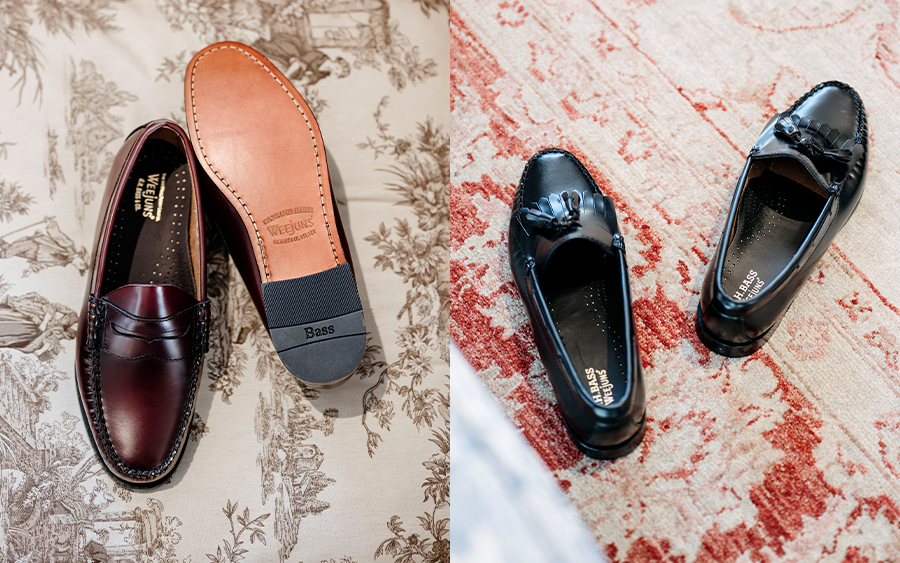
G.H. BASS took the idea and made it their own: a leather loafer with a strap across the vamp. Wearers started slipping coins into that strap's slot, and the "penny loafer" got its name.
As we know, the shoe didn’t stay in the fields for long.
It found its way onto American college campuses, where it became shorthand for Ivy League style, and from there, it kept moving.
Musicians wore it. Artists wore it. Actors wore it.
By the 1960s, the Weejuns craze was in full swing. Then, decades later, Michael Jackson wore Weejuns in the opening of Thriller, and a new generation discovered the shoe all over again.
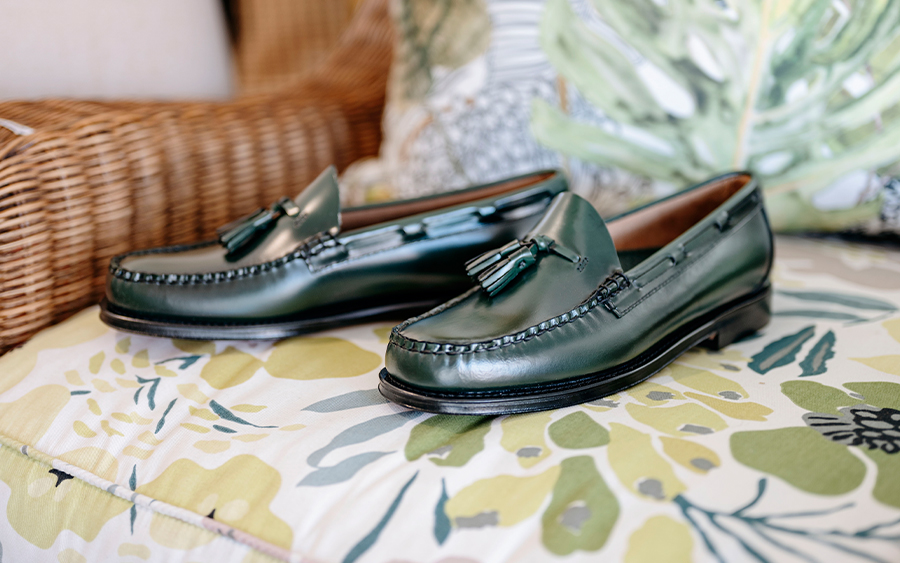
90 Years of Walking
G.H. BASS is now approaching 150 years since George Henry Bass first began making shoes. The Weejuns have been part of that story for 90 of them.
From Norwegian-inspired beginnings to college campuses, pop culture and modern wardrobes, the journey has taken the Weejuns a long way.
Yet put a pair on today and the connection to the original is still there.
The best way to celebrate 90 years is not only by looking backwards but also by recognising that a truly great design can keep finding its place in whatever comes next.
90 years of Weejuns. Almost 150 years of G.H. BASS. And a story that is still being written.
Be a part of that story. Shop for your own pair of Weejuns in store or online today to join the icons.