
The History of The Penny Loafer
The history of the penny loafer design is one that might surprise many. With its origins in Norway, this iconic design took the fashion stage by storm, becoming a footwear design known for its timeless appeal.
In this blog, we’ll delve into this fascinating timeline.
The First Conception of the Classic Loafer
The story of this classic shoe design begins all the way back in the 1930s in Norway. Nils Gregoriusson Tveranger was known as the designer of the Aurland shoe, a slip-on moccasin-style leather shoe. Drawing inspiration from Native American moccasins and Norwegian fisherman slip-on shoes, the Aurland moccasin became popular throughout Europe, and essentially laid the groundwork for the penny loafer to transpire.
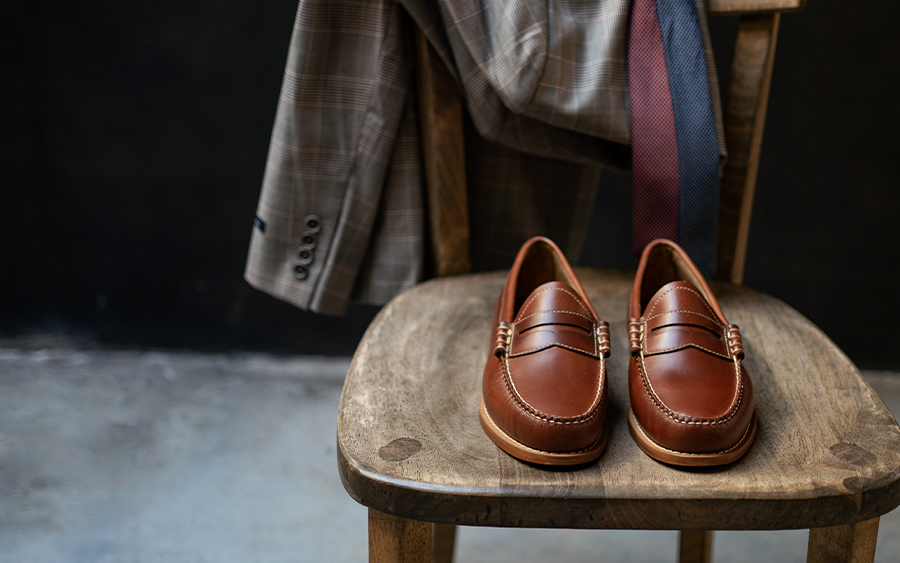
George Henry Bass, founder of G.H.BASS, based in Maine, USA, took inspiration from the Norwegian Aurland shoes, introducing his own variation of the design, under the name Weejuns; a playful reference to Norwegian. What really set Bass’s design apart from the rest, was the distinctive leather strap with a cut-out, called a saddle, across the top of the shoe.
The Penny Tradition
As you might have guessed, it was this cut-out that became the hallmark of the iconic shoe we call a ‘penny loafer’.
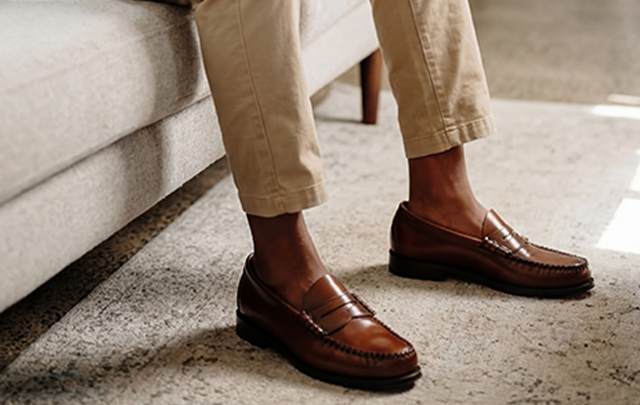
Throughout the 1940s to 1950s, loafers formed the core of the Ivy League preppy look. Often worn with chinos, button-down shirts, and tailored blazers, this look symbolised old money, but for young students.
As this design spread like wildfire across America, the nickname ‘penny loafer’ emerged when American prep-school and college students began slipping pennies into the cut-out on the Weejuns saddle. What began as a simple way to carry change for payphones soon became a fashion statement, and thereby cemented the term penny loafer in pop culture.
Weejuns In Mainstream Fashion
Soon, we saw loafers moving beyond Ivy League campuses and instead, making their appearances in Hollywood, on the feet of beloved icons. From Audrey Hepburn to James Dean, Grace Kelly to John F Kennedy, Weejuns stood as the true symbol of classic prep aesthetics.
However, this narrative evolved when people saw G.H.BASS Black Weejuns in the opening scene of Michael Jackson’s Thriller music video. Worn with white socks on the King of Pop, suddenly, the shoes transcended their preppy reputation, proving that this classic style could also define avant-garde, versatile fashion.
Modern Loafer Fashion Statements
Since conception, this design has remained a staple in many individuals' wardrobes. From gents to ladies, formal to semi-formal, these convenient, slip-on shoes are enjoyed by all for various occasions.
And naturally, the designs have kept up with modern times, without losing that nostalgic appeal!
Our latest collections feature unique finishes and trendy colourways that we know the contemporary fashion world loves.
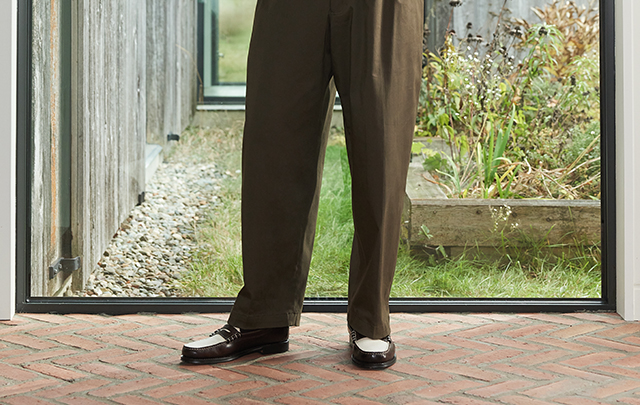
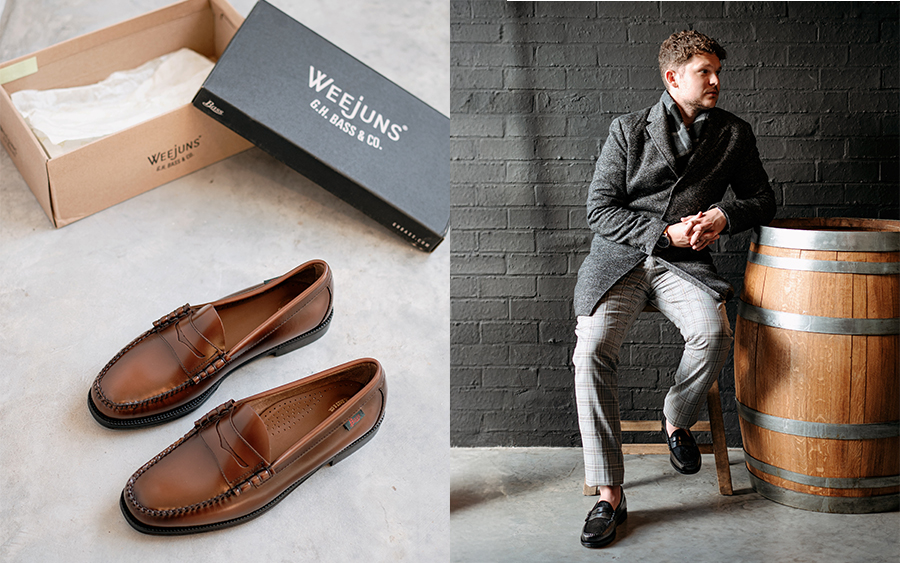
The Weejuns Step Larson Moc Penny in wine leather is a great example of classic with a modern twist. While this style sticks to the beloved penny loafer silhouette and signature G.H.BASS beef roll stitch, it pushes boundaries with its bold leather colour and thicker sole.
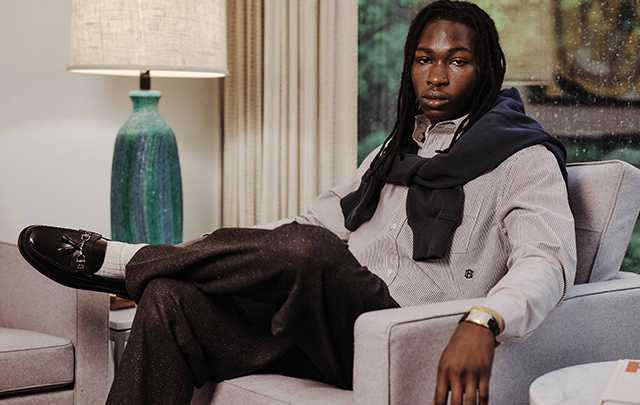
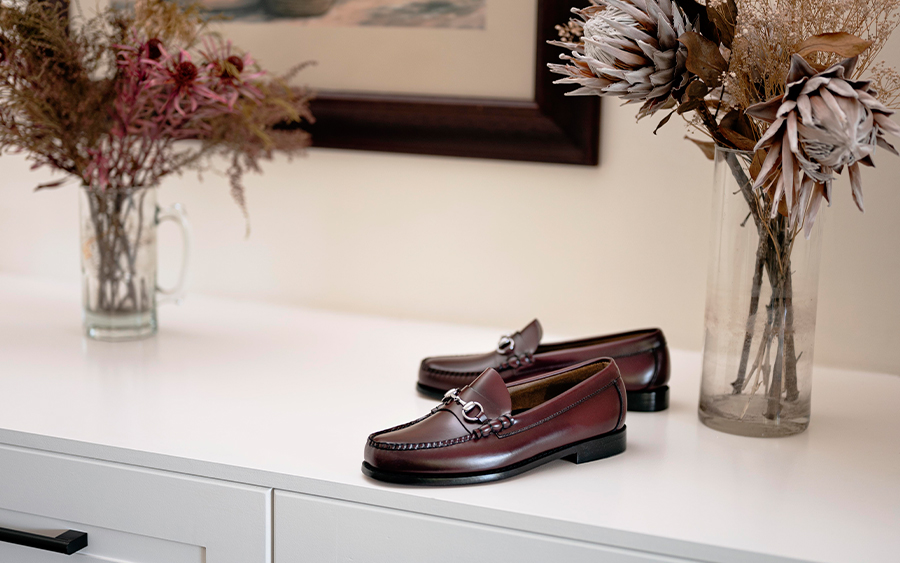
The Weejuns Ornament is another spin-off of the classic design. Featuring a metallic embellishment on the face and a glossy finish, this style neatly combines classic heritage with a touch of edginess.
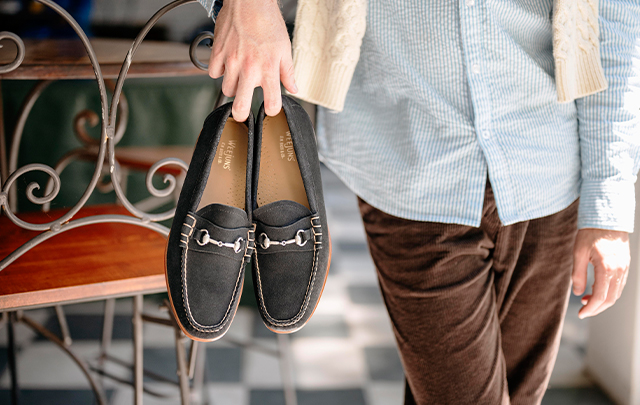
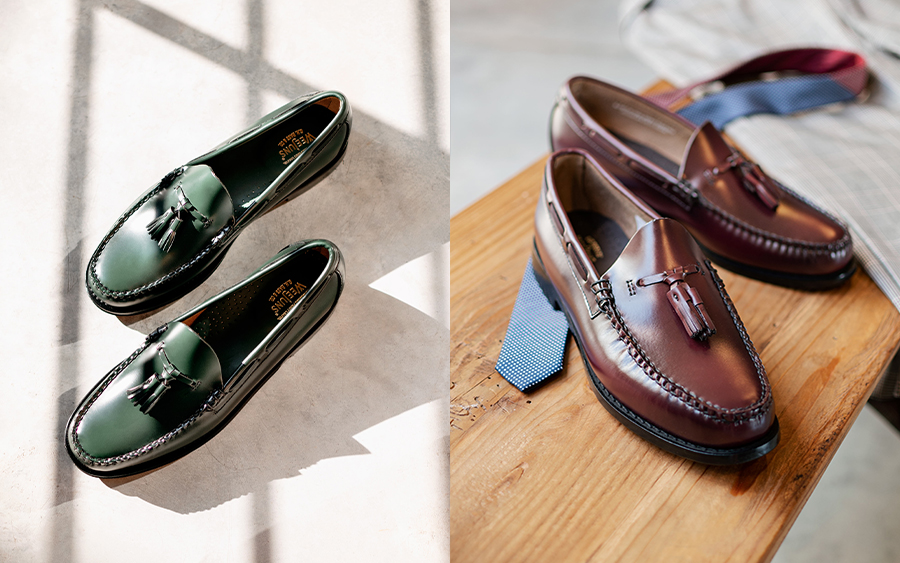
The Weejuns Larkin offers a softer look and feel. The suede finish, paired with the tassel detail on the face, creates a playful, whimsical aesthetic that has won over many style enthusiasts.
These are just a few examples of how we keep our designs fresh, but there are many more timeless and modern options available to suit every wardrobe. Timeless yet ever-evolving, the penny loafer remains a shoe that doesn’t just complete an outfit; it defines it.